The Intelligence and National Security Alliance (INSA) is a nonpartisan, nonprofit trade association that connects private-sector companies, academic institutions, and individual professionals with the U.S. intelligence community. It does this through policy councils, white papers, and events — most prominently the annual Intelligence and National Security Summit it co-hosts with AFCEA. INSA hit a record 180 corporate members in fiscal year 2025, up from 175 the year before, which reflects steady growth since the organization pivoted from its original focus in 1979. The membership roster spans the expected defense contractors (Lockheed Martin, Booz Allen Hamilton, Raytheon) and a growing set of commercial technology companies (AWS, NVIDIA, Google, Palantir) whose intelligence community business has grown substantially as IC agencies modernized their cloud and AI infrastructure. For professionals and companies working at the intersection of national security and technology, INSA membership provides access to cleared and uncleared dialogue that’s otherwise difficult to find outside formal government channels.
- INSA reached a record 180 corporate members in FY25 (up from 175 in FY24), spanning defense, technology, consulting, and academia — membership grew 38% in new additions between FY23 and FY24
- Annual membership dues range from $44,000/yr (President’s Circle, covering all company employees) to $20/yr for full-time students; Individual membership is $300/yr
- 7 policy councils covering Cyber, Space Intelligence, Technology & Innovation (with AI subcommittee), Security Policy Reform, Acquisition Management, Legal Affairs, and Intelligence Champions
- Annual Intelligence and National Security Summit (co-hosted with AFCEA): 2,000+ attendees; 2026 summit is August 26-27 in Bethesda, MD
- INSA Foundation offers 8 scholarships totaling $65,000 for undergraduate and graduate students pursuing intelligence and national security careers
INSA’s Structure, Membership Tiers, and Policy Councils

Membership Levels and Corporate Composition
INSA was founded in 1979 under the name Security Affairs Support Association (SASA), created to give intelligence community contractors and professionals a structured forum for engagement outside government channels. It adopted the Intelligence and National Security Alliance name as its scope broadened beyond traditional defense contractors to include technology companies, consulting firms, and academic institutions whose intelligence work expanded significantly after 2001. INSA’s Wikipedia entry traces the organization’s evolution from its original SASA focus on military and civilian intelligence contractors to its current form as a broad public-private-academic alliance. The organization operates as a 501(c)(6) trade association, headquartered in Arlington, Virginia, led by President Suzanne Wilson Heckenberg and Chairwoman Letitia A. Long.
Membership is primarily structured around corporate tiers with company-wide coverage — all employees of a member company can participate in INSA councils and events at their company’s membership level. The President’s Circle tier at $44,000 per year includes companies whose intelligence community revenue and engagement places them at the center of INSA programming: AWS, BAE Systems, Booz Allen Hamilton, Deloitte, GDIT, Leidos, Lockheed Martin, ManTech, Mastercard, NVIDIA, Peraton, SAIC, and T-Mobile. Below that, Platinum membership runs $28,000 per year, Gold is $12,500, Silver is $6,250, and Small Business and Academia tiers are each $2,500. Individual membership — for current or retired government officials and private-sector individuals participating in a personal capacity — is $300 per year. Student membership, which requires active full-time enrollment in an intelligence or national security degree program, is $20 per year. In FY24, INSA added 44 new corporate members, a 38% increase over FY23 additions, with 23 of those being new small business members — a category that tracks growth from smaller defense technology firms entering the intelligence community market. FY25 brought 42 additional new organizations, pushing the total to 180.
Policy Councils and Workforce Programs
INSA’s policy work runs through seven standing councils: Acquisition Management, Legal Affairs, Space Intelligence, Cyber, Security Policy Reform (which includes an Insider Threat Subcommittee), Technology and Innovation (with an AI Subcommittee added in FY24), and Intelligence Champions. The Space Intelligence Council was itself launched in FY24 in response to IC recognition that space had become a distinct intelligence and cyber operational domain requiring dedicated policy attention. In FY25, INSA’s councils held 37 meetings drawing over 1,200 participants. FY24 produced 35 council meetings with similar participation. The councils produce INSA’s white papers and policy recommendations, which go through member review before publication and carry weight in IC community discussions because they represent consensus positions from organizations directly operating in those domains — not think-tank analysis from outside the community.
The DOD SkillBridge Fellowship, which INSA began hosting in 2022, connects transitioning military service members with intelligence community companies for work experience during their final months of active duty service. The program addresses a structural problem in IC workforce development: cleared, experienced military intelligence professionals with directly applicable skills have historically had difficulty transitioning into comparable industry roles despite those skills being exactly what intelligence contractors need. INSA’s role in the fellowship is to connect those individuals with member companies rather than run the placement directly. The organization also produces two podcast series — “All Source Podcast” and “Intelligence Career Conversations” — aimed at the workforce development audience rather than the policy audience, covering career paths in intelligence and national security for listeners considering or building careers in the field. The broader ecosystem of enterprise threat intelligence infrastructure that INSA member companies operate and advocate for covers how private-sector intelligence capabilities integrate into organizational security programs.
The Intelligence and National Security Summit, White Papers, and INSA Foundation
The Annual Intelligence and National Security Summit
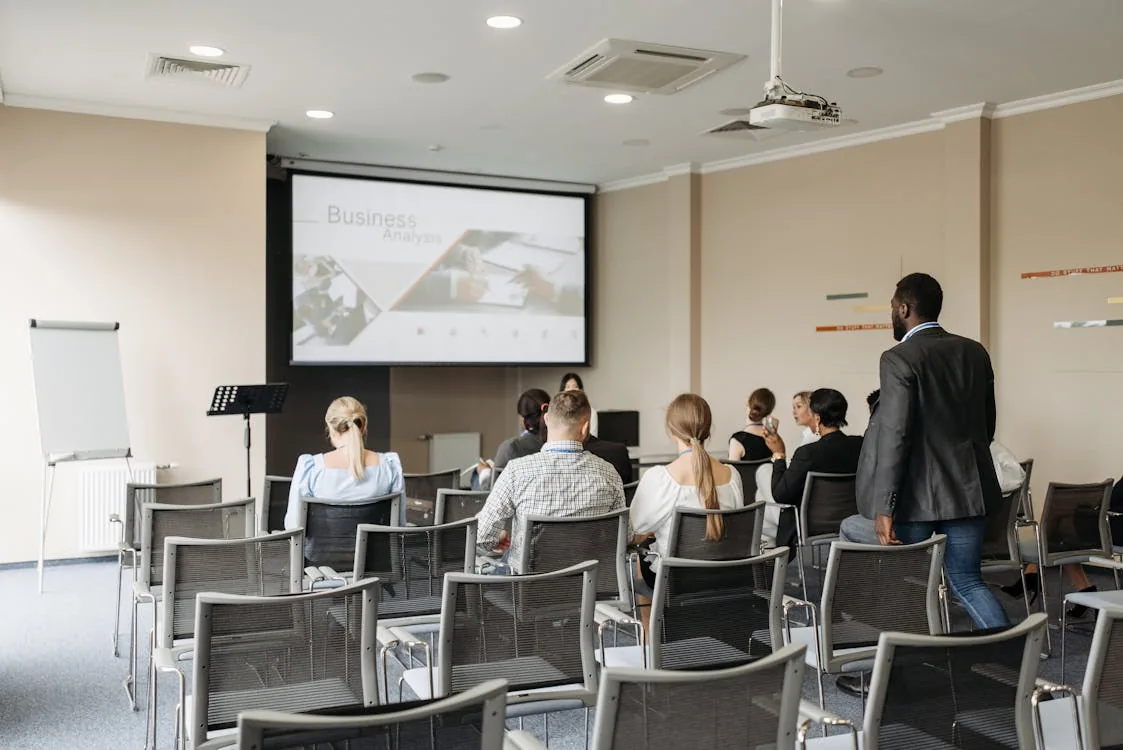
The Intelligence and National Security Summit, co-hosted with AFCEA International, is INSA’s flagship event and one of the few regular forums where senior U.S. government intelligence officials and private-sector intelligence community companies discuss IC priorities in an unclassified setting. The summit draws over 2,000 intelligence, defense, and national security professionals annually and features plenary sessions, breakout tracks, a career fair, and technology exhibits. The 2026 Summit is scheduled for August 26-27 in Bethesda, Maryland, with session topics including OSINT and large language models, AI and emerging technologies, space acquisition, homeland defense, and great power competition dynamics. AFCEA, the Armed Forces Communications and Electronics Association, is the co-organizer — its membership base of military, government, and industry communications and IT professionals overlaps substantially with INSA’s, making the joint summit an efficient consolidation of both communities’ policy interests into a single event.
INSA runs substantial additional programming beyond the annual summit. In FY24, the organization held 39 total events drawing over 15,000 attendees through a combination of in-person and virtual programs. Event types include Speaker Series dinners, Leadership Dinners (three per year at Platinum-level membership and above), “SCIF After Hours” briefings featuring senior leaders from agencies like DIA and NGA (both FY24 sessions sold out), and regional “Common Threads” events in cities including Charlottesville and Huntsville. The William Oliver Baker Award Dinner, held annually since 1984, draws over 700 intelligence and national security leaders and is the organization’s primary recognition event for contributions to the intelligence sector. The 2026 dinner will honor former National Cyber Director John C. “Chris” Inglis. The Charlie Allen Achievement Awards, established in 2010 and named for longtime CIA and DHS intelligence official Charles Allen, present six awards annually across government, industry, military, and academic categories. The use of threat intelligence in SOC operations is one of the practical domains where INSA member companies translate summit discussions into deployed security capabilities.
White Papers, Publications, and INSA Foundation Scholarships
INSA’s publication program produces white papers and “Intelligence Insights” papers — shorter, more focused publications — tied to its council work. Recent publications include “Recommendations When Using AI in Insider Risk Management” (August 2025), which outlines how AI can analyze behavioral patterns to identify risky behaviors and improve insider risk program response times; “Countering Insider Theft of National Security Technology” (June 2025), which addresses Chinese Communist Party-directed intellectual property theft targeting dual-use technologies at universities, startups, and small businesses; “The Future of the IC Workforce: Technology and Talent Transformation” (October 2024), derived from a three-part webinar series; and “Cyber Information Sharing” (January 2024), produced by the Cyber Council with recommendations for improving threat intelligence exchange between the government and private sector. INSA’s full white paper library covers insider risk, SCIF environment modernization, security clearance reform, OSINT, and acquisition policy, with publications dating back to 2023 publicly available on the organization’s website.
The Intelligence and National Security Foundation — INSA’s affiliated 501(c)(3) charitable arm — runs the scholarship program, currently offering eight undergraduate and master’s scholarships collectively valued at $65,000 for students pursuing intelligence and national security degrees. The LtGen Vincent Stewart, USMC Endowed Intelligence Career Pathways Scholarship provides $10,000 annually to a Black or African American undergraduate student. Students can join INSA directly at $20 per year while completing their degree, gaining access to council participation and professional programming before entering the workforce. For professionals and organizations working in security intelligence solutions, INSA’s council publications represent the closest thing to a consensus view from the intelligence community’s private-sector partners on how those solutions should integrate with government requirements and policy frameworks.
Frequently Asked Questions
What is the Intelligence and National Security Alliance (INSA)?
INSA is a nonpartisan, nonprofit 501(c)(6) trade association based in Arlington, Virginia that connects U.S. intelligence community companies, government professionals, academics, and individual practitioners through policy councils, white papers, and events. It was founded in 1979 as the Security Affairs Support Association and currently has 180 corporate members (as of FY25), including defense contractors, technology companies, consulting firms, and academic institutions. INSA’s primary activities are running seven policy councils that produce white papers and policy recommendations, organizing the annual Intelligence and National Security Summit (co-hosted with AFCEA), and hosting workforce development and recognition programs including scholarships through the INSA Foundation.
How do you join INSA and what does membership cost?
Corporate membership in INSA ranges from $2,500 per year (Small Business and Academic tiers) to $44,000 per year (President’s Circle), with Platinum at $28,000, Gold at $12,500, and Silver at $6,250 in between. Corporate membership covers all employees of the member organization. Individual membership (for government officials, retirees, or private-sector individuals joining in a personal capacity) is $300 per year. Student membership, which requires active full-time enrollment in an intelligence or national security degree program, is $20 per year. Applications are submitted through the INSA website, with membership reviewed on a rolling basis. Contact [email protected] for organizational enrollment details.
What is the Intelligence and National Security Summit?
The Intelligence and National Security Summit is an annual conference co-hosted by INSA and AFCEA International that brings together U.S. government intelligence officials and private-sector intelligence community organizations for unclassified dialogue on IC priorities and challenges. It draws over 2,000 attendees annually from the intelligence, defense, and national security sectors, featuring plenaries, breakout sessions, a career fair, and technology exhibits. The 2026 Summit is scheduled for August 26-27 in Bethesda, Maryland. Topics in recent summits have included OSINT and large language models, AI integration in intelligence workflows, space acquisition, homeland defense, and great power competition. The summit website is intelsummit.org.
What scholarships does INSA offer?
The INSA Foundation offers eight scholarships per year collectively valued at $65,000, covering both undergraduate and master’s students pursuing degrees in intelligence, national security, or related fields. The LtGen Vincent Stewart, USMC Endowed Intelligence Career Pathways Scholarship provides $10,000 specifically for a Black or African American undergraduate student. Students pursuing intelligence careers can also join INSA directly at $20 per year, providing access to INSA councils and professional programming while completing their degree. Scholarship applications are available through the INSA Foundation section of the INSA website.
What policy areas does INSA focus on?
INSA’s seven policy councils address: Cyber (threat information sharing, cybersecurity policy), Space Intelligence (intelligence and cyber requirements in the space domain), Technology and Innovation with AI Subcommittee (AI in intelligence applications, IC technology modernization), Security Policy Reform with Insider Threat Subcommittee (insider risk management, clearance reform, SCIF policy), Acquisition Management (IC procurement policy), Legal Affairs (legal frameworks affecting intelligence operations and contractors), and Intelligence Champions (engagement and advocacy). Recent white paper topics from these councils include AI in insider risk management, intellectual property theft by foreign adversaries, IC workforce transformation, and cyber information sharing frameworks.