
A master’s degree in intelligence and security studies prepares graduates for careers in national security, the intelligence community, federal law enforcement, defense contractors, and private sector threat intelligence. The degree occupies a specific niche: it is neither a traditional cybersecurity degree (which emphasizes technical skills like penetration testing and network defense) nor a political science graduate program (which focuses on theory without operational application). Intelligence and security studies programs develop analytical skills, understanding of intelligence tradecraft, and knowledge of the national security apparatus that agencies like the CIA, DIA, and NSA require from civilian analysts. This guide covers the key program structures, career outcomes, salary ranges, and how to choose between programs oriented toward the intelligence community versus those oriented toward corporate or cybersecurity careers.
- Intelligence and security studies master’s programs split between IC-focused (national security, foreign intelligence, policy) and corporate-focused (competitive intelligence, private sector threat analysis).
- Intelligence analyst median salary is $97,720 per year (BLS 2024) — federal intelligence roles often include locality pay, clearance differentials, and TSP benefits that raise total compensation above market.
- The US intelligence community comprises 18 agencies overseen by the ODNI — most entry-level analyst positions require at minimum a SECRET clearance, with TS/SCI required for many senior roles.
- Top programs include American Military University, Mercyhurst University, Johns Hopkins SAIS, and Norwich University — each with distinct emphases on IC, law enforcement, or corporate intelligence careers.
- Online programs from AMU and Liberty University offer lower costs ($300-500/credit hour) versus residential programs at $1,200+ per credit, though residential programs typically have stronger IC hiring relationships.
What a Master’s in Intelligence and Security Studies Covers
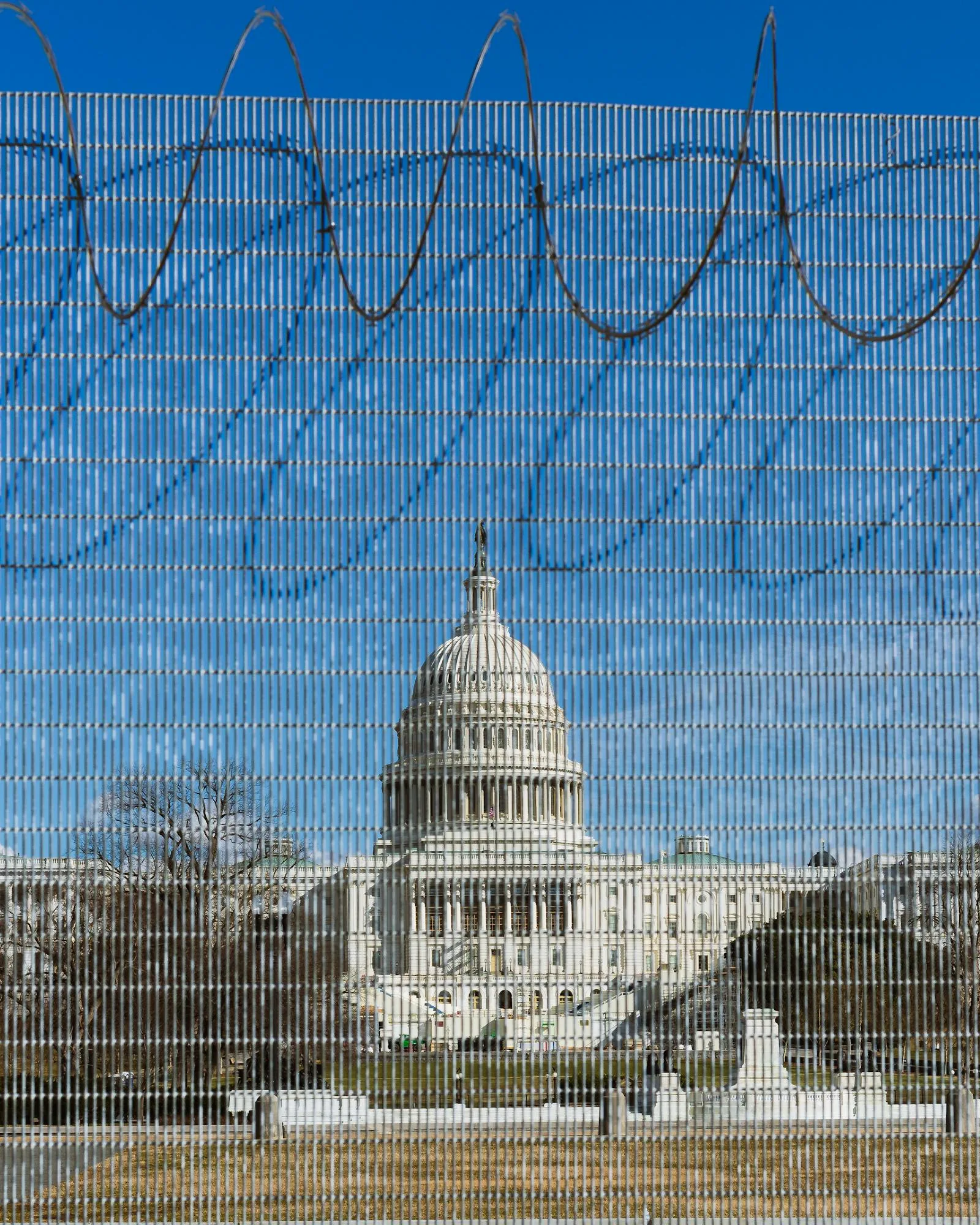
Intelligence and security studies is an applied analytical discipline, not a purely theoretical academic field. Graduate programs in this area develop skills in collection, analysis, dissemination, and reporting — the core intelligence cycle — combined with substantive knowledge of the threat actors, geopolitical dynamics, and technology domains relevant to national security. Programs vary significantly in their orientation: some are explicitly designed to feed the intelligence community pipeline, while others target law enforcement, corporate security, or policy careers.
Core Curriculum Areas
Most intelligence and security studies master’s programs share a common curriculum backbone: intelligence theory and the history of US intelligence, analytical methodology (structured analytic techniques, hypothesis testing, red team analysis), collection disciplines (HUMINT, SIGINT, GEOINT, OSINT), counterintelligence, and national security law and policy. Programs with a technology emphasis add cybersecurity threat intelligence, OSINT collection tools, and geospatial analysis. Programs with a policy emphasis add congressional oversight, intelligence reform, and interagency coordination. The Mercyhurst University Ridge College of Intelligence Studies is widely regarded as having the most rigorous analytical methods curriculum of any civilian intelligence program, emphasizing structured analytic techniques that mirror actual IC analyst training.
Program Types: IC-Focused vs. Corporate Security vs. Cybersecurity
Choosing a program requires clarity about which career path you are targeting. IC-focused programs (American Military University, Mercyhurst, National Intelligence University) are designed for careers in CIA, DIA, NSA, FBI, or state and local fusion centers. They emphasize intelligence tradecraft, security clearance compatibility, and connections to IC recruiters. Corporate intelligence programs (Johns Hopkins SAIS strategic intelligence track, Henley-Putnam) target competitive intelligence, corporate security, and private sector threat analysis roles. Cybersecurity-adjacent programs (Norwich University, UMUC) combine intelligence analysis methodology with technical cybersecurity content, targeting roles in cyber threat intelligence teams at enterprises or government contractors. The most important question is whether the program has established recruiting relationships with your target employer sector — curriculum quality matters less than employer access.
Online vs. Residential Programs
The format decision has both financial and career implications. Online programs — American Military University’s MSIA program at approximately $350 per credit hour, Liberty University’s online intelligence studies degree — offer the lowest cost and greatest scheduling flexibility, making them the dominant choice for active military and law enforcement personnel seeking to advance while working. Residential programs at Mercyhurst, Johns Hopkins, and Georgetown carry credit costs of $1,000-1,800 per credit hour but provide the networking access, internship placement, and faculty IC relationships that online programs cannot replicate at the same level. For candidates targeting senior IC analyst or policy roles, residential program alumni networks provide access that online programs structurally cannot.
Career Outcomes, Salaries, and Clearance Requirements

Intelligence and security studies graduates pursue careers across a wide spectrum: federal intelligence agencies, military intelligence, federal law enforcement (FBI, DEA, ATF), state and local fusion centers, defense contractors (Booz Allen Hamilton, SAIC, Leidos), and private sector corporate security and threat intelligence teams. The career path matters significantly for salary trajectory: federal government roles offer structured GS pay scales with locality differentials, while defense contractor roles offer higher base salaries but fewer benefits. Private sector threat intelligence at financial services or technology firms offers the highest base compensation for analysts with both intelligence tradecraft and technical skills.
Salary Ranges and Intelligence Community Compensation
The Bureau of Labor Statistics reports a median intelligence analyst salary of $97,720 per year (2024 data). Federal intelligence analysts at the CIA, DIA, and NSA typically enter at GS-9 to GS-12 depending on education and experience ($60,000-$90,000 base), with significant locality pay additions in the Washington DC area (approximately 32.49% above base) and clearance-related compensation. Defense contractor analysts with TS/SCI clearances frequently earn $110,000-160,000 at mid-career levels, reflecting the clearance scarcity premium. Private sector corporate intelligence directors at financial institutions or technology companies can earn $150,000-200,000+ at senior levels, though these roles typically require both intelligence tradecraft and domain expertise (finance, technology, or geopolitical region).
Security Clearance Requirements and Adjudication
The majority of meaningful IC and defense contractor positions require a security clearance — at minimum SECRET, with the majority of analyst roles requiring TOP SECRET/SCI (Sensitive Compartmented Information) access. Clearance eligibility is determined by the Defense Counterintelligence and Security Agency (DCSA) through a personnel security investigation. Financial issues, foreign contacts, drug history, and mental health records are the most common disqualifying factors. The average time to receive a TS/SCI clearance is currently 12-18 months for new applicants, making clearance initiation before or during graduate school a strategic priority. Programs with established IC relationships can sometimes facilitate security investigations through internship programs that initiate the process before graduation.
Frequently Asked Questions
What is a master’s degree in intelligence and security studies?
It is a graduate degree that develops skills in intelligence analysis, tradecraft, national security law, and collection disciplines (HUMINT, SIGINT, OSINT) for careers in the intelligence community, federal law enforcement, defense contractors, or corporate security.
What are the best schools for intelligence and security studies?
Top programs include Mercyhurst University Ridge College of Intelligence Studies, American Military University, Johns Hopkins SAIS, Norwich University, and Georgetown University — each with distinct emphases on IC careers, corporate intelligence, or cybersecurity-adjacent roles.
What is the salary for intelligence analysts?
The BLS reports a median intelligence analyst salary of $97,720 per year (2024). Federal IC analysts enter at $60,000-90,000 base with significant locality pay, while defense contractor analysts with TS/SCI clearances typically earn $110,000-160,000 at mid-career.
Do you need a security clearance for intelligence jobs?
Most IC and defense contractor positions require at minimum a SECRET clearance, with senior analyst roles typically requiring TOP SECRET/SCI. Clearance investigations currently take 12-18 months for new applicants — initiating the process during graduate school is a strategic advantage.
What is the difference between intelligence studies and cybersecurity?
Intelligence studies focuses on analytical tradecraft, collection disciplines, and national security policy — developing analysts who assess threats and brief decision-makers. Cybersecurity focuses on technical skills for defending systems and networks. Some programs (Norwich, UMUC) combine both.
Can I do a master’s in intelligence studies online?
Yes — American Military University’s MSIA program (~$350/credit hour) and Liberty University offer fully online intelligence studies degrees at significantly lower cost than residential programs. Online programs work well for active military and law enforcement but offer less IC networking access than residential programs.