
Physical security intelligence services occupy a specific and underappreciated position in corporate security: they monitor the digital world to prevent harm in the physical one. Cybersecurity intelligence protects data and systems. Physical security intelligence protects people and facilities — tracking online threats, social media activity, dark web communications, and geopolitical signals that indicate someone may be planning to do something harmful at a real location. The discipline emerged from a simple observation: real-world threats almost always begin with digital reconnaissance, and organizations that monitor those upstream signals can intervene before incidents occur.
- Physical security intelligence monitors digital channels — social media, dark web, geopolitical feeds — to detect physical threats before they reach organizational perimeters.
- 42% of corporate security chiefs reported a rise in violent threats against executives between 2023 and 2025; 64% anticipated increased physical security budgets.
- The global physical security market was valued at $120–129 billion in 2026; the specialized PSIM segment reached $1.93 billion in 2025, growing at 16.21% CAGR toward $4.09 billion by 2030.
- A Global Security Operations Center (GSOC) extends traditional SOC scope to cover physical threats, travel risk, geopolitical events, and facility monitoring — often as a managed service.
- Key providers include ZeroFox (monitoring 46,000+ locations across 150+ countries), Ontic, Global Guardian, and Allied Universal’s GSOCaaS platform.
What Physical Security Intelligence Services Are and How They Work
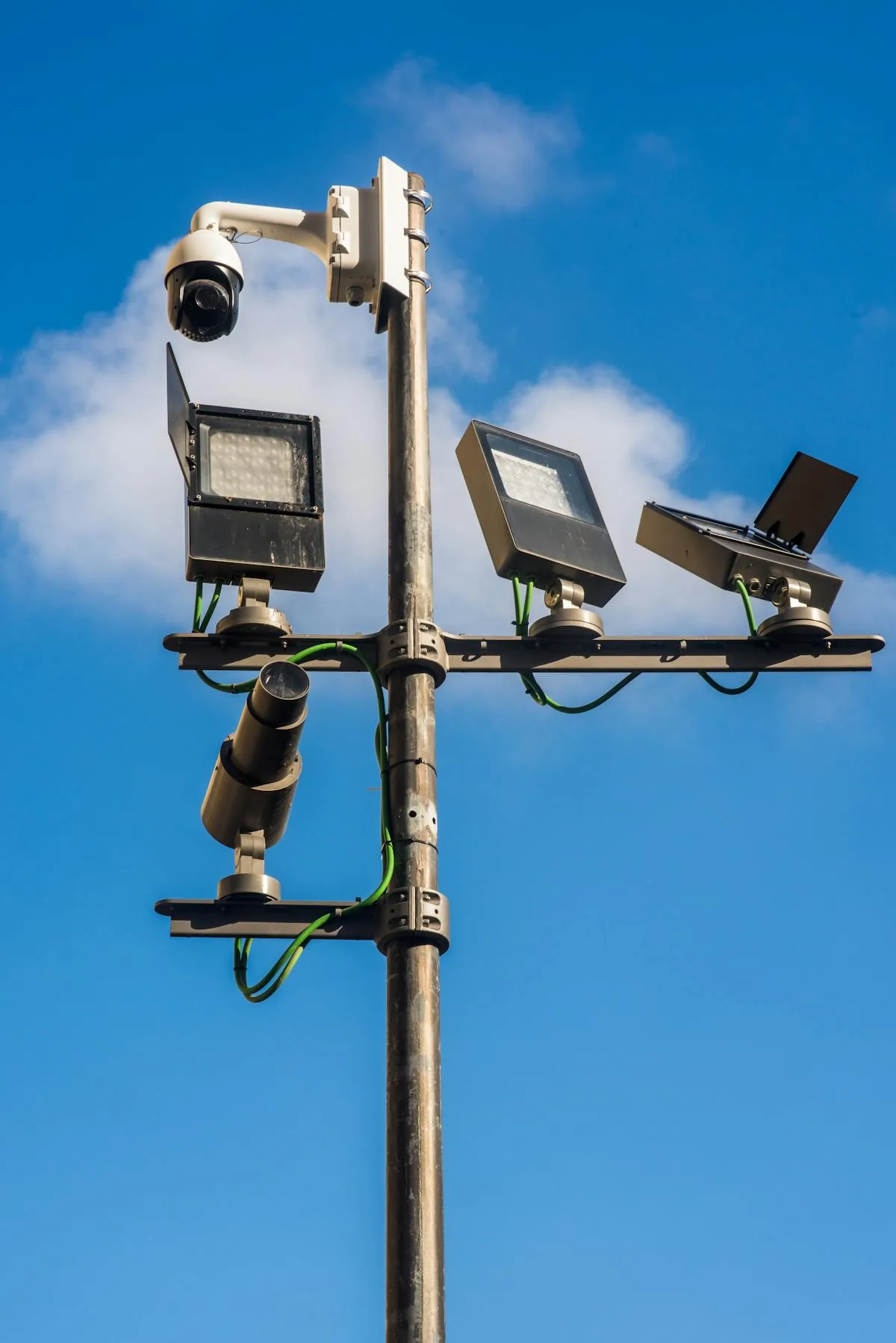
Physical security intelligence is the practice of identifying and assessing threats to people, facilities, and operations by monitoring digital sources that reveal planning, intent, or coordination around physical harm. InsiteRisk Management describes it as “the analytical core of any effective physical security department” — the outermost layer in a Defense in Depth security model. Cameras, guards, and access controls respond to threats that reach the perimeter. Intelligence services work before that point.
Physical Threats That Begin Online
The connection between digital activity and physical risk is well documented. Threats to executives, facilities, and events almost always generate a digital footprint before they materialize: posts expressing grievance or intent, planning activity in online forums, coordination via messaging apps, or purchases discussed in adversary communities. Between 2023 and 2025, 42% of corporate security chiefs reported a rise in violent threats against executives, with digital platforms the primary medium for those threats.
The pattern holds across threat types. An employee terminated under contentious circumstances posts threatening content before any physical action. A protest group coordinates via encrypted apps before arriving at headquarters. A bad actor researches an executive’s home address through data broker sites before making contact. Physical security intelligence is built to catch these signals early — not after someone shows up at the door.
The Intelligence Cycle Applied to Physical Security
Physical security intelligence follows the same collection-analysis-dissemination cycle as other intelligence disciplines. Collection draws from OSINT across social media, messaging boards, dark web communities, and news feeds; from proprietary geopolitical feeds tracking instability; and from internal data like employee relations records. ZeroFox’s Physical Security Intelligence platform scans millions of data points continuously across surface, deep, and dark web sources, matching threat signals to organizational locations globally.
Analysis means human analysts vetting and enriching alerts before delivery — assessing credibility and urgency rather than passing raw data through. ZeroFox covers 46,000+ locations across 150+ countries and 100+ languages with 24/7 analyst coverage. The output is actionable intelligence mapped to specific locations, personnel, or events, not a firehose of unfiltered alerts.
Protective Intelligence vs Traditional Security
Traditional physical security — what practitioners call “Guns, Guards, and Gates” — responds to threats that have already reached the perimeter. A guard stops unauthorized entry. An access control system blocks a terminated employee’s badge. A camera records what happened. These layers matter. But they are reactive by design.
Protective intelligence addresses threats before they reach the perimeter. A threat analyst monitoring a disgruntled former employee’s social media posts can identify escalating language weeks before that person returns to a workplace. A pre-travel risk assessment flags protest activity or elevated threat levels at an executive’s destination before departure. Intelligence does not replace physical security controls. It tells those controls where to focus.
Types of Physical Security Intelligence Services

Physical security intelligence services fall into several overlapping categories based on the assets they protect. Most enterprise deployments combine more than one category, either through a unified platform like Ontic or ZeroFox, or through a managed GSOC that integrates multiple intelligence feeds with response capabilities. The category distinctions matter for procurement — different providers have genuine depth in specific areas.
GSOC-Based Intelligence Services
A Global Security Operations Center (GSOC) is the physical security equivalent of a cyber SOC: a centralized monitoring and response function, but covering physical threats, facility monitoring, travel risk, geopolitical developments, and crisis management — not just network traffic. GSOCs monitor physical access control, video surveillance feeds, geofenced alerts around facilities, and external threat intelligence simultaneously, with analysts coordinating response across all of these channels.
Allied Universal offers GSOCaaS — organizations outsource 24/7 global security operations rather than building their own center. Global Guardian provides similar managed services with strength in travel risk and emergency response for globally mobile organizations. The GSOC-as-a-service model grew as organizations recognized that internal GSOC staffing and technology investment exceeds what most can sustain. 64% of U.S. security leaders anticipated higher physical security budgets in 2025, with managed service models absorbing much of that spend.
Executive Protection Intelligence
Executive protection intelligence covers three dimensions: pre-travel risk assessments that flag threats at planned destinations; ongoing digital monitoring of threat actors who have expressed interest in specific executives; and personal information removal from data broker sites that expose home addresses, family information, or daily routines. All three feed off the same underlying reality — adversaries conduct digital reconnaissance before making physical contact.
Recorded Future’s research on executive protection documents this pattern directly: digital exposures routinely precede physical threats. ZeroFox addresses it by monitoring social media for threatening language, scanning deep web communities for executive-specific discussions, and running fraudulent profile takedowns on LinkedIn, Instagram, and X when impersonation accounts appear. The 2024 murder of UnitedHealthcare CEO Brian Thompson moved executive protection intelligence from a specialized concern to a board-level conversation in most large organizations.
Facility and Event Protection Services
Facility protection intelligence monitors the threat environment around specific physical locations: headquarters, data centers, manufacturing sites, distribution hubs. Event protection focuses on concentrated-risk periods — product launches, shareholder meetings, major conferences, or large public events near corporate facilities.
A 2026 Federal News Network analysis of protective intelligence for national special security events made the case that traditional perimeter security cannot handle modern threat environments around major events. The argument: real-time social media monitoring, geospatial threat mapping, and AI-assisted pattern detection are now operational requirements, not enhancements. For large events, the question is no longer whether to use physical security intelligence but how to integrate it with the response apparatus.
Physical Security Intelligence in 2026: AI, Market, and Selecting a Provider
The physical security intelligence market is consolidating around integrated platforms, moving toward AI-assisted analysis, and expanding managed service models that give mid-market organizations access to capabilities previously available only to large enterprises. Three shifts define the current landscape.
AI and Digital-Physical Convergence
The Security Industry Association’s 2025 GSOC analysis identified two AI developments that changed physical security operations in practice: computer vision capable of automated threat detection in surveillance feeds, and natural-language querying of surveillance data (“show me all incidents involving a backpack in Zone B last week”). AI-powered video analytics reached commercial-scale reliability in 2025 after years of overpromising. It is now a genuine force multiplier, not a marketing claim.
The bigger shift is convergence. Dataminr’s ISC West 2025 report found corporate security teams merging threat intelligence with security operations, crisis response, and physical security into a single operational picture. Ontic markets its ability to “detect digital and physical threats with continuous, multi-source intelligence” — combining social media signals, travel risk feeds, facility monitoring, and cybersecurity threat intelligence feeds into one platform.
Market Size and Key Providers
The global physical security market was valued at approximately $120–129 billion in 2026, with projections to $222 billion by 2034. The Physical Security Information Management (PSIM) segment — platforms aggregating data across physical security systems — reached $1.93 billion in 2025 and is projected to reach $4.09 billion by 2030 at a 16.21% CAGR. The broader security intelligence market stood at $26.84 billion in 2025, projected to reach $61.08 billion by 2035 at 8.57% CAGR.
Key providers in the physical security intelligence space:
- ZeroFox: Digital risk protection monitoring 46,000+ locations across 150+ countries; strong in social media monitoring, executive protection, and fraudulent profile takedowns
- Ontic: Protective intelligence management platform integrating digital and physical threat signals with case management
- Global Guardian: Managed GSOC service with strength in travel risk and emergency response for globally mobile organizations
- Allied Universal GSOCaaS: Enterprise-scale managed physical security operations with 24/7 human monitoring
- Dataminr: Real-time event detection across public data sources for physical security and business risk
How to Evaluate Physical Security Intelligence Services
Selection depends on threat profile, geographic footprint, and in-house analyst capacity. The evaluation criteria that most often determine value in practice:
- Coverage geography and language: Global organizations need services covering all operating regions in local languages — English-only monitoring misses a large portion of the threat picture
- Analyst-to-automation balance: Pure automation generates too many false positives for physical security teams; services with 24/7 human analysts who vet alerts before delivery produce more actionable intelligence
- Integration with physical security systems: Intelligence that connects directly to access control, surveillance, and incident management systems generates more analyst action than intelligence delivered to a separate dashboard
- Executive protection depth: For C-suite protection requirements, verify whether the service covers data broker removal, social media monitoring, and pre-travel assessments as integrated capabilities
- Managed vs. platform model: Organizations with established security teams may prefer a platform; those without in-house intelligence capacity typically need managed GSOC services that include analysts, not just software
Frequently Asked Questions
What are physical security intelligence services?
Physical security intelligence services monitor digital channels — social media, dark web, geopolitical feeds, and messaging platforms — to detect threats that could materialize as physical harm to people or facilities. They provide near real-time alerting, analyst-vetted intelligence reports, and continuous monitoring of locations, executives, and events against emerging threat indicators.
How does physical security intelligence differ from cybersecurity intelligence?
Cybersecurity intelligence focuses on protecting data, systems, and networks — tracking malware, threat actors, and digital attack patterns. Physical security intelligence focuses on protecting people and facilities — monitoring digital channels for signals of planned violence, protest activity, executive targeting, or geopolitical instability that could affect physical operations. The two increasingly share data sources and platforms as physical threats originate online.
What is a GSOC and how does it relate to physical security intelligence?
A Global Security Operations Center (GSOC) is a centralized hub that monitors physical security, travel risk, geopolitical events, facility access, and crisis management across an organization’s global footprint. It differs from a cybersecurity SOC by focusing on threats to people and physical assets rather than digital systems. GSOCs consume physical security intelligence feeds to contextualize alerts and coordinate response.
What is protective intelligence in corporate security?
Protective intelligence identifies and assesses threats to people and facilities before they reach the physical perimeter — by monitoring digital sources for threatening language, intent signals, and behavioral escalation indicators. It operates as the outermost layer of a Defense in Depth security model, detecting threats upstream of where traditional “Guns, Guards, and Gates” approaches begin.
How large is the physical security market in 2026?
The global physical security market is valued at approximately $120–129 billion in 2026, projected to reach $222 billion by 2034. The specialized PSIM segment reached $1.93 billion in 2025 and is forecast to hit $4.09 billion by 2030 at 16.21% CAGR. The broader security intelligence market stood at $26.84 billion in 2025, projected to reach $61.08 billion by 2035.