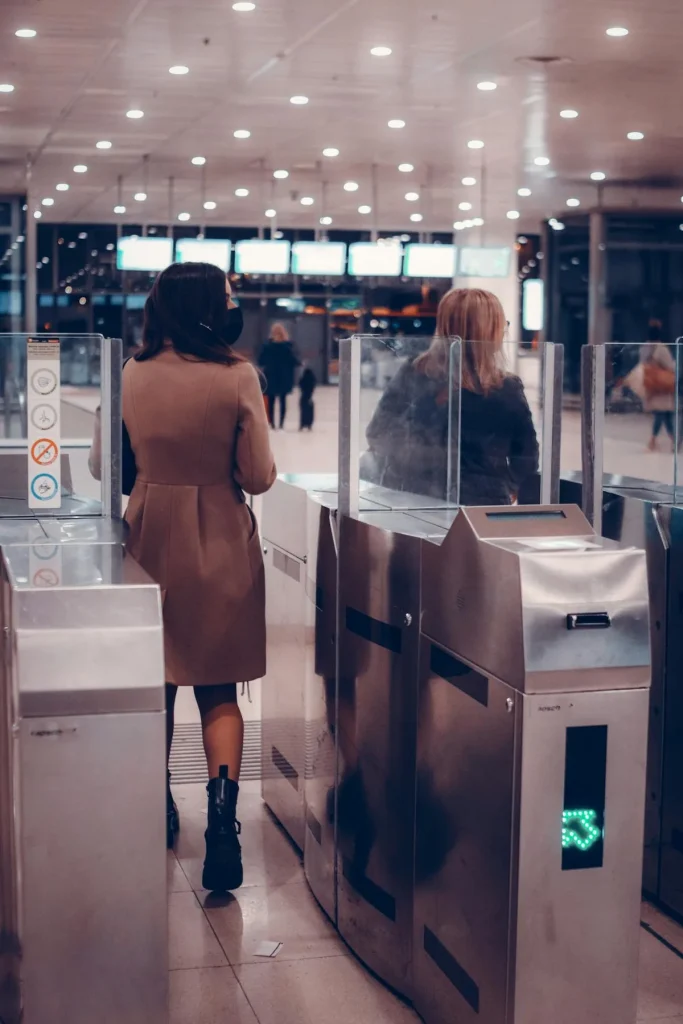
Airports are among the most demanding environments for security technology: millions of passengers moving through controlled checkpoints daily, with screening systems that must catch genuine threats while processing legitimate travelers in minutes. Artificial intelligence in airport security has changed that equation significantly — replacing static rule-based screening systems with adaptive models that improve with each scan, reducing false alarm rates, and enabling biometric verification at scale without proportional increases in officer staffing. The deployments are no longer pilots. The Transportation Security Administration has rolled out second-generation AI-powered Credential Authentication Technology (CAT-2) scanners to approximately 350 airports nationwide, with plans to reach 400+ airports. U.S. Customs and Border Protection has deployed its Biometric Facial Comparison system to 238 airports including all 14 CBP Preclearance locations. The technology is operational, not theoretical — and its performance is documented.
- TSA has deployed AI-powered CAT-2 biometric scanners to approximately 350 U.S. airports, targeting 400+ total; expanding PreCheck Touchless ID to 65 airports in Spring 2026.
- CBP Biometric Facial Comparison is live at 238 airports including all 14 Preclearance locations; NIST testing shows false positive rates at 0.3% for TSA’s facial recognition algorithm.
- Aerospace AI market: $373.6 million in 2020, projected to reach $5.83 billion by 2028 at 43.4% CAGR — reflecting significant capital investment in AI-based airport and aviation security.
- AI-powered millimeter wave scanners detect both metallic and non-metallic threats concealed under clothing, reducing false alarm rates while maintaining detection performance.
- Modern airport security systems are designed as predictive, centralized, and intelligent — AI-powered surveillance, biometric verification, and real-time analytics operating as an integrated layer rather than isolated checkpoints.
How AI Is Deployed in Airport Security Today
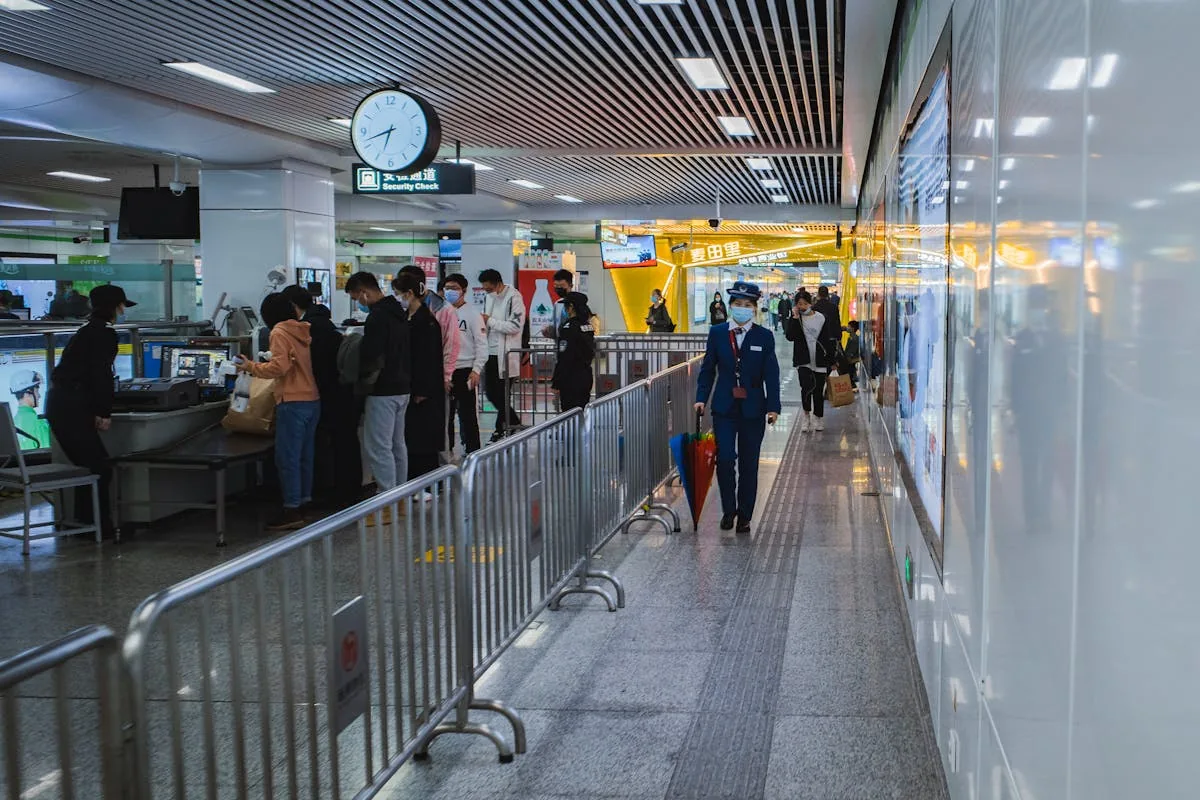
Airport security in 2026 operates across several distinct AI application layers: identity verification at checkpoints, threat detection in baggage and passenger screening, surveillance analytics across terminals, and predictive risk scoring that routes passengers through appropriate screening pathways. These layers are increasingly integrated — data from one system informs decisions in another — creating a security architecture that is more adaptive than the static rule-based systems it replaced.
Biometric Identity Verification at Scale
The most widely deployed AI application in U.S. airports is facial recognition for identity verification. TSA’s CAT-2 scanners — now in approximately 350 airports nationwide — use one-to-one facial matching to verify that the passenger presenting identification is the person pictured on that document, without requiring officers to manually compare faces and IDs for every traveler. For TSA PreCheck passengers, TSA’s Touchless ID program is expanding to 65 airports in Spring 2026, allowing verified travelers to move through dedicated lanes without presenting physical documents at all.
The performance data has been independently validated. NIST testing of the algorithm TSA uses for one-to-many recognition measured a 0.3% false positive rate — an incorrectly matched identity — and false negative rates between 0.07% and 4.4% depending on demographic group and lighting conditions. CBP’s Biometric Exit program, deployed to 238 airports, processes passengers by matching their face against the photograph on file from their travel documents — a process that takes approximately two seconds per traveler. CBP reports passenger responses as “overwhelmingly positive” and continues expanding program coverage.
AI-Powered Threat Detection in Screening
Beyond identity verification, AI is embedded in the threat detection systems that screen passengers and baggage. Airports Council International reports that AI-based algorithms evaluate screening data to identify threats regardless of shape, orientation, concealment method, or configuration — capabilities that rule-based detection cannot replicate. The practical significance: a weapon hidden in an unusual position in a bag that might require manual examination under rule-based screening is automatically flagged by the AI, reducing the rate of missed detections while simultaneously reducing false alarms that slow checkpoint throughput.
Millimeter wave scanners — now standard at U.S. airports — use deep learning models to detect both metallic and non-metallic threats concealed under clothing. These systems distinguish between threats and innocent items (phones, keys, medical devices) with higher accuracy than earlier detection technologies, which produced false alarm rates that required officers to conduct secondary screening on a substantial fraction of passengers. Lower false alarm rates have a direct operational consequence: checkpoint throughput improves, officer time is directed toward genuine anomalies, and the passenger experience improves without compromising security outcomes. AI’s force-multiplier effect on security operations that is well documented in cyber contexts applies equally here — more coverage area with fewer false positives.
Surveillance Analytics and Behavioral Detection
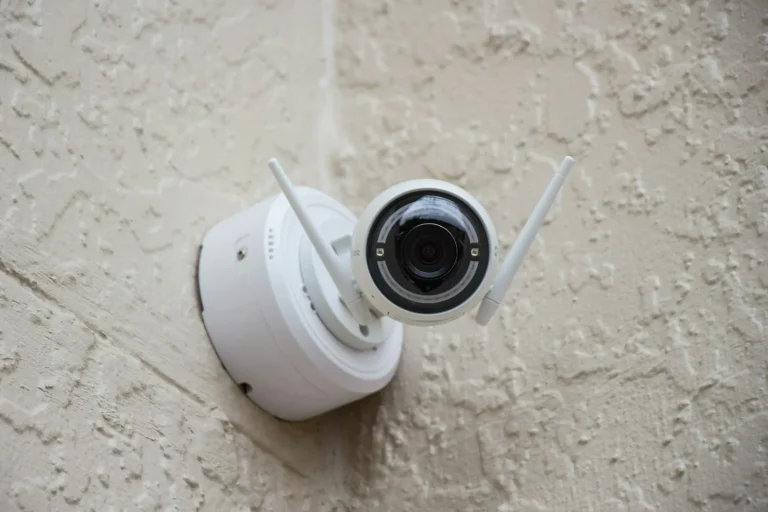
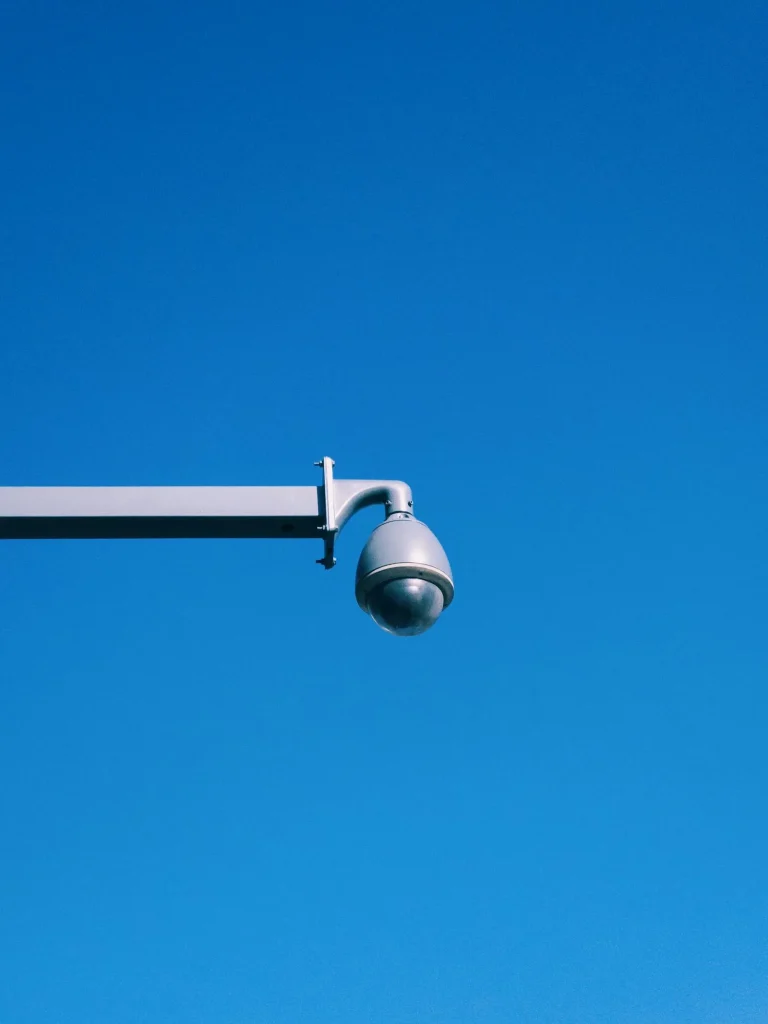
AI surveillance analytics extends the security perimeter beyond checkpoints into the terminal environment itself. Computer vision systems monitor terminal camera feeds in real time, alerting security personnel to specific behaviors — unattended bags, individuals moving against passenger flow, unusual dwell times in secure areas — that would require human operators to watch every camera continuously to detect manually. These systems do not make security decisions; they surface anomalies for human officer review, extending the effective coverage of officer teams without additional staffing.
Behavioral analytics represents the leading edge of this capability: AI models trained to recognize pre-attack behavioral patterns (loitering near access points, counter-surveillance behavior, extreme emotional distress) can flag potential threats before they reach checkpoints. The evidentiary standard for acting on behavioral signals is appropriately high — these systems are intended to direct additional human assessment, not to trigger automated responses. The value is in the upstream detection capability that traditional surveillance systems without AI cannot provide at scale.
Market Growth, Providers, and Civil Liberties Context
The scale of investment in AI-based airport security technology reflects both the operational demand and the commercial opportunity. The aerospace AI market was valued at $373.6 million in 2020 and is projected to reach $5.83 billion by 2028 at a 43.4% CAGR — one of the highest growth rates in the enterprise AI market. The AI in video surveillance segment specifically is growing at over 20% CAGR globally, with aviation and transportation as primary adoption sectors.
Leading Technology Providers
The AI airport security technology landscape involves several categories of provider. On the biometric identity side, CBP contracted Clearview AI in 2025 for a pilot program leveraging its database of more than 60 billion publicly available images to augment facial recognition and biometric identification capabilities. Smiths Detection and Analogic provide AI-enabled CT scanning systems for baggage. Scylla AI and similar computer vision vendors focus on behavioral analytics and perimeter surveillance. The TSA uses multiple vendors for different components of its CAT-2 program, with Idemia and others providing facial matching algorithms that have been NIST-benchmarked.
Government investment is driving commercial adoption: TSA’s planned deployment to 400+ airports represents a procurement commitment that has drawn significant vendor competition and continued investment in algorithm improvement. For organizations evaluating AI security deployments, airport programs represent some of the most rigorously evaluated real-world implementations available — NIST benchmarking and GAO oversight have produced performance data that private-sector AI security vendors rarely match for transparency.
Civil Liberties and Oversight Considerations
AI deployment in airport security has generated substantive civil liberties oversight. The Privacy and Civil Liberties Oversight Board (PCLOB) published a detailed analysis of TSA’s use of facial recognition technology in May 2025, examining accuracy disparities across demographic groups, data retention practices, and oversight mechanisms. The NIST false negative rate range of 0.07% to 4.4% — varying significantly by demographic group — reflects the broader challenge of ensuring AI identification systems perform equitably across diverse populations.
TSA has maintained that no images are retained by its facial recognition systems at most checkpoints; CBP’s Biometric Exit program stores facial images only for non-citizens. The GAO has issued recommendations about privacy and system performance issues that CBP was directed to address. These oversight mechanisms — independent benchmarking, congressional scrutiny, civil liberties board review — represent the accountability layer that any large-scale AI biometric deployment requires. The operational performance data from airport programs is among the most transparent available for AI security systems in any context.
Frequently Asked Questions
How is AI used in airport security?
AI is used in airport security for facial recognition identity verification, AI-powered threat detection in baggage and passenger screening, computer vision surveillance analytics across terminal environments, and predictive risk scoring that routes passengers through appropriate screening pathways. TSA has deployed AI-powered CAT-2 biometric scanners to approximately 350 U.S. airports, with CBP’s Biometric Facial Comparison system live at 238 airports.
How accurate is facial recognition at airports?
NIST testing of TSA’s facial recognition algorithm found false positive rates of 0.3% and false negative rates between 0.07% and 4.4%, depending on demographic group and environmental conditions. CBP uses similar systems with comparable performance. Accuracy varies across demographic groups — a recognized limitation that oversight bodies including the GAO and PCLOB have addressed in their evaluations of TSA and CBP programs.
Does TSA keep facial recognition images?
TSA states that facial images captured during identity verification are not retained — the system captures an image, matches it against the travel document, and discards it. CBP’s Biometric Exit program retains facial images only for non-citizens. These retention policies have been reviewed by the Privacy and Civil Liberties Oversight Board (PCLOB), which published a detailed analysis in May 2025 examining TSA’s facial recognition practices.
What is the airport AI security market size?
The aerospace AI market was valued at $373.6 million in 2020 and is projected to reach $5.83 billion by 2028 at a 43.4% CAGR. The AI in video surveillance segment — which includes airport security applications — is growing at over 20% CAGR globally. TSA’s planned expansion to 400+ airports and CBP’s continued Biometric Exit program expansion represent significant public-sector procurement commitments driving market growth.
What is the TSA CAT-2 scanner?
The CAT-2 (Credential Authentication Technology, second generation) is TSA’s AI-powered identity verification system deployed at airport security checkpoints. It uses facial recognition to verify that a passenger matches their identification document, reducing manual ID checks and enabling touchless verification for TSA PreCheck travelers. CAT-2 units are currently deployed at approximately 350 U.S. airports, with expansion to 400+ airports planned.