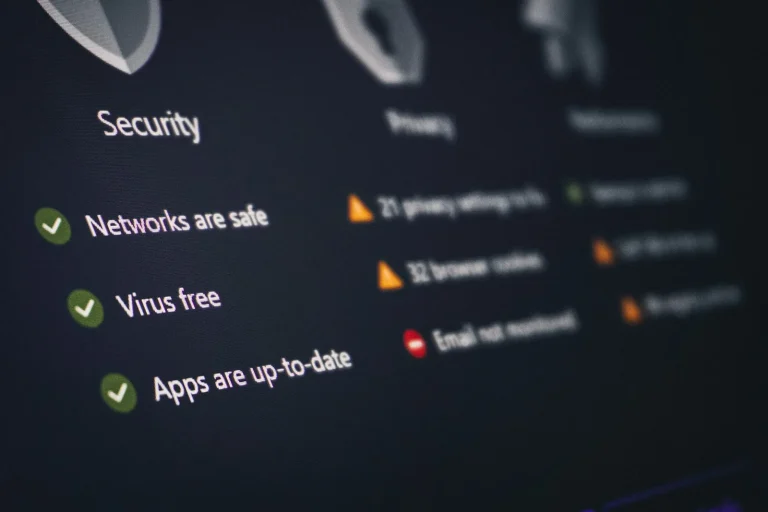
Schools in the United States face two distinct AI security problems that don’t always get discussed together. The first is physical: whether AI-powered surveillance tools — weapon detectors, facial recognition, visitor management systems — actually make campuses safer. The second is digital: K-12 schools now attract more cyberattacks than most industries, and generative AI has made those attacks faster and more targeted. The data on both fronts is sobering. Forty-one percent of schools have already reported AI-related cyber incidents. Eighty-two percent were impacted by cyberthreats of any kind during an 18-month period studied by the Center for Internet Security in 2025. This piece covers both dimensions.
- 41% of K-12 schools have experienced AI-related cyber incidents, including phishing and deepfake attacks
- 82% of schools were hit by cyberthreats in an 18-month CIS study, with 9,300 confirmed incidents
- AI weapon detection systems like ZeroEyes verify firearm alerts within 3–5 seconds using trained human validators
- 96% of EdTech apps share student data with third parties — often in FERPA violation
- Only 32% of school institutions feel “very prepared” to handle AI-driven threats
AI-Powered Physical Security in Schools: Weapon Detection, Surveillance, and Access Control
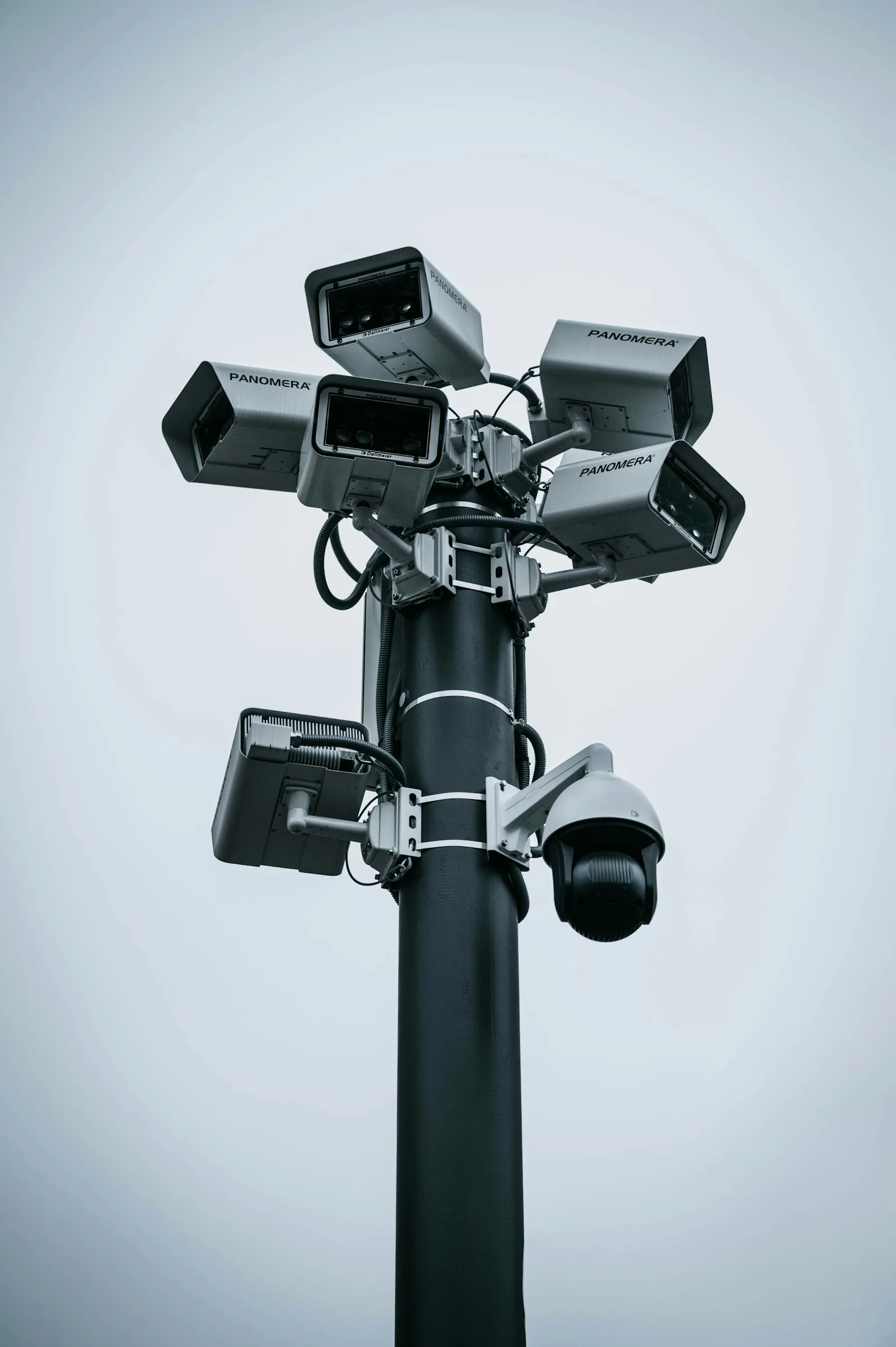
Physical security technology in K-12 schools has shifted significantly since 2018. Where schools previously relied on locked doors and staff observation, many districts now deploy AI systems that analyze camera feeds in real time. The shift was accelerated by school shootings and the falling cost of computer vision software that can integrate with existing security camera infrastructure.
How AI Gun Detection and Threat Monitoring Work in Schools
AI gun detection platforms work by continuously scanning video feeds from existing security cameras for the visual signatures of firearms. The leading platforms — ZeroEyes, Omnilert, and Lightspeed Systems — all route potential detections to trained human validators before alerting staff or law enforcement. ZeroEyes, founded by Navy SEAL veterans after the 2018 Parkland shooting, verifies alerts within 3–5 seconds using staff who monitor feeds around the clock. The system runs 24/7/365 and is designed specifically to flag firearms before a weapon is raised or used.
The practical impact depends heavily on validation speed and integration with local emergency response. Most platforms do not call 911 directly; they alert school administrators or a monitored operations center first. That delay is a design choice, not a flaw — the Robinson school district in Texas reported receiving alerts for objects including a toy gun at a basketball game, a theater prop sword, and a color guard rifle, all of which were resolved before any emergency was declared. Human review is not optional with these systems.
AI Visitor Management and Access Control
Separate from weapon detection, AI visitor management systems check incoming visitors against sex offender registries, criminal databases, and school-specific alert lists before they reach the front desk. Some systems use license plate recognition to flag vehicles in the parking lot. Facial recognition, more controversial, can match visitor or intruder faces against watchlists and track movement across campus in real time, flagging individuals who enter through unauthorized doors or linger in restricted areas.
These tools are sold to districts as ways to reduce the burden on front-office staff and catch threats that humans miss. The market for AI-powered school security systems has grown steadily through 2025, with platforms like Volt AI offering bundled camera analytics, visitor management, and emergency notification. The economics favor AI: a single AI monitoring platform replaces tasks that would otherwise require dedicated staff watching camera banks. Understanding the full scope of AI security concerns helps districts evaluate where these tools genuinely reduce risk versus where they add complexity.
Accuracy Concerns and Oversight Requirements
Facial recognition in K-12 settings draws consistent criticism from civil liberties researchers for accuracy disparities. Studies have documented higher error rates for people of color and gender-nonconforming individuals — a problem that becomes concrete when a false positive triggers a lockdown or a security response against an innocent student. Several states have restricted or banned facial recognition in schools outright.
The 2025 Campus Safety review concluded that while AI technology offers real potential for campus safety, its effectiveness depends on pairing it with clear policies, staff training, and accountability structures. Deploying AI cameras without written protocols for when alerts escalate to law enforcement, how long footage is retained, and who has access to real-time feeds creates liability, not just risk.
School Cybersecurity and AI: Student Data Threats and Compliance Gaps

Physical security is visible. The digital threat to schools is less so — but the numbers are larger. K-12 schools are data-rich targets: student records contain social security numbers, health information, behavioral logs, and financial data. Children’s SSNs are particularly valuable on dark web markets because children have no established credit history and parents rarely check for identity theft until a child applies for credit years later.
The Scale of AI-Driven Cyber Threats Against K-12 Schools
K-12 schools face an average of 2,507 cyberattack attempts per week, according to 2023 data — a number that predates the widespread adoption of generative AI tools by attackers. The Keeper Security survey published in October 2025 found that 41% of schools had already experienced AI-related cyber incidents, with AI-assisted phishing, deepfake impersonation of staff, and AI-generated misinformation campaigns all documented. Between 2023 and 2024, attacks against the education sector increased 35%.
Ransomware remains the highest-severity threat. Two-thirds of educational organizations have faced ransomware attacks. Only 4% of those that paid a ransom recovered all their data. 51% of education leaders surveyed by the EdWeek Research Center expect the severity of cyberattacks against their schools to increase specifically because of AI. Yet only 32% of institutions describe themselves as “very prepared” to handle AI-driven threats. The gap between threat awareness and actual preparedness is one of the defining features of K-12 cybersecurity in 2026. The broader convergence of artificial intelligence in cyber security is accelerating this problem at exactly the moment when school IT budgets remain flat.
Student Data Privacy: FERPA, COPPA, and the EdTech Compliance Gap
The legal framework for student data privacy has two main pillars: FERPA (Family Educational Rights and Privacy Act), which governs educational records, and COPPA (Children’s Online Privacy Protection Act), which governs online services used by children under 13. Both are showing their age in an AI context. EdWeek reported in February 2026 that FERPA lacks clear cybersecurity requirements, despite the fact that schools now rely on hundreds of EdTech tools, many of which process student data with AI.
The compliance picture is alarming. Research has found that 96% of EdTech applications share student data with third parties — in most cases without schools realizing it constitutes a FERPA violation. The 2025 COPPA amendments tightened consent requirements: vendors can no longer assume consent for advertising to children and must obtain explicit parental opt-in. The Department of Education in March 2025 required all state agencies to certify FERPA compliance by April 30, 2025. As of December 2025, 31 states have published guidance for AI use in K-12, and 21 specifically call out data security requirements for AI systems.
What Effective K-12 AI Security Requires
The preparedness gap shows up most clearly in policy: 43% of districts have no formal guidance for AI use, while 80% have generative AI initiatives already underway. Running AI tools without governance documents is not a neutral position — it creates exposure under FERPA, COPPA, and any state-level AI regulation. Districts that have built effective programs share a few common elements.
First, they inventory every EdTech tool that touches student data and assess each vendor’s data handling practices against FERPA requirements before deployment. Second, they implement layered network security — segmenting student devices from administrative systems, enforcing MFA for staff accounts, and logging access to sensitive records. Third, they train staff to recognize AI-assisted phishing, including the newer threat of voice cloning calls impersonating administrators or parents. Fourth, they designate a specific person — not just an IT department — as responsible for AI security policy, with authority to reject tools that fail vetting. Connecting these operational practices to the broader capabilities available from AI security tools built for enterprise environments helps districts benchmark against more mature security programs.
The least prepared districts are those treating AI security as an IT problem alone. The districts that have avoided major incidents treat it as a governance and legal problem first — which is what the data says it actually is.
Frequently Asked Questions
What are the biggest AI security risks for schools?
The two main risks are AI-powered cyberattacks — including phishing, ransomware, and deepfake impersonation — and data privacy exposure from EdTech tools that share student data with third parties without proper FERPA authorization.
How do AI gun detection systems work in schools?
AI gun detection platforms like ZeroEyes and Omnilert scan existing security camera feeds for firearms in real time. When a potential weapon is detected, trained human validators verify the alert — ZeroEyes does this within 3–5 seconds — before notifying school staff or emergency services.
Are facial recognition systems allowed in K-12 schools?
It depends on the state. Several states have banned or restricted facial recognition in K-12 settings due to accuracy concerns, particularly higher error rates for people of color. Districts should check state law and adopt clear retention and access policies before deploying any facial recognition system.
What does FERPA require for AI tools used in schools?
FERPA requires that schools protect student educational records and limit disclosure to third parties without consent. AI tools that process student data must have a signed data processing agreement with the school. The current gap: FERPA has no explicit cybersecurity requirements, and 96% of EdTech apps share data with third parties in ways that may violate it.
How many schools have been hit by ransomware attacks?
Two-thirds of educational organizations have faced ransomware attacks. Of those that paid ransoms, only 4% recovered all their data — making prevention and offline backups the only reliable defense.